
What is an eHouse? Packaged substations, kiosks and electrical houses explained
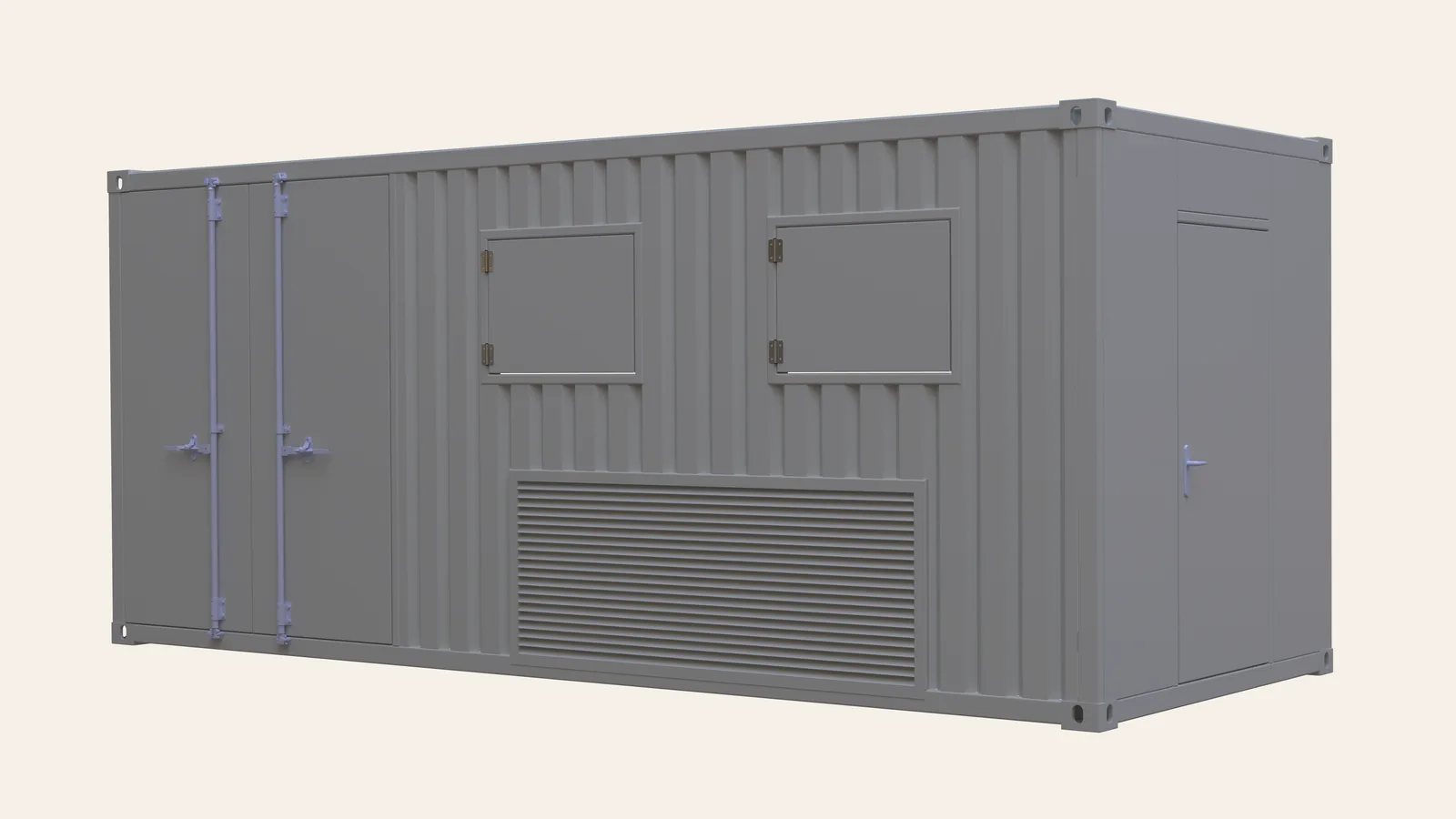
The same steel building gets called an eHouse, a packaged substation, a substation kiosk or a containerised substation depending on who is specifying it. The terms overlap, and the differences are worth knowing before you put one out to tender. Here is what each means from a project-delivery perspective, and the steel decisions they share.
eHouse, or electrical house
An eHouse typically refers to a prefabricated building that houses electrical equipment such as switchgear, protection and control systems and, in some arrangements, transformers. The project team may assemble and test the equipment in the factory before lifting the building onto a prepared base. eHouses tend to sit at the larger, walk-in end of the range, but project terminology varies.
Packaged substation
A packaged substation typically brings a transformer and associated LV or HV switchgear together in one coordinated unit or housing. The exact equipment and supply boundary depend on the project. The steel housing must suit the transformer's heat and weight as well as the switchgear access requirements.
Substation kiosk
A kiosk generally refers to a smaller distribution-level housing for a transformer, switch unit or related equipment, often at street or site level. Kiosks are sometimes GRP where the loads are light, and steel where the structure, security or project requirements call for it.
Containerised substation
Containerised describes a unit built within, adapted from or broadly following a container form. The label describes the form factor, not the electrical function. It does not by itself confirm ISO 668 dimensions, CSC approval or certification as an ISO freight container; the project must state and verify those requirements where they apply.
The steel decisions they share
Whatever the label, the same questions decide the housing. Ventilation has to carry away transformer and switchgear heat, naturally or forced, without letting weather in. Cable entry, gland plates and internal access are set around the equipment supplier's drawing pack. The unit has to be lifted safely, so the frame and lifting points are designed in. Coatings, weather protection, IP performance and any security, fire or blast requirements are agreed to the project brief.
Choosing between them
The right answer follows the voltage level, the equipment package, the site and the programme, not the name on the enquiry. A distribution job may want a kiosk; a substation or grid connection may want a packaged unit or a full eHouse. The sensible move is to describe the equipment and the constraints and let the housing follow from them.
How we approach it
Garendon can coordinate switchgear enclosures, transformer housings, electrical houses and packaged substation enclosures to an agreed equipment drawing pack and project quality plan. If you have a substation or switchgear project and are not sure which form fits, we are happy to work through it early.
What to include in an eHouse enquiry
- Transformer and switchgear general arrangements, weights, centres of gravity and heat losses.
- Room layout, operating clearances, access doors and the route for replacing major equipment.
- Ventilation duty and the required weather, IP, fire or arc-performance brief.
- Cable entry, gland plate, earthing and other physical equipment interfaces.
- Site exposure, foundation, lifting, transport envelope, delivery sequence and programme.
- The electrical designer's standards, approval route, inspection plan and supply boundaries.
Our transformer and switchgear page sets out the project inputs, deliverables and responsibility boundary. You can also review Garendon's engineering and manufacturing capabilities or compare steel and GRP enclosure construction.